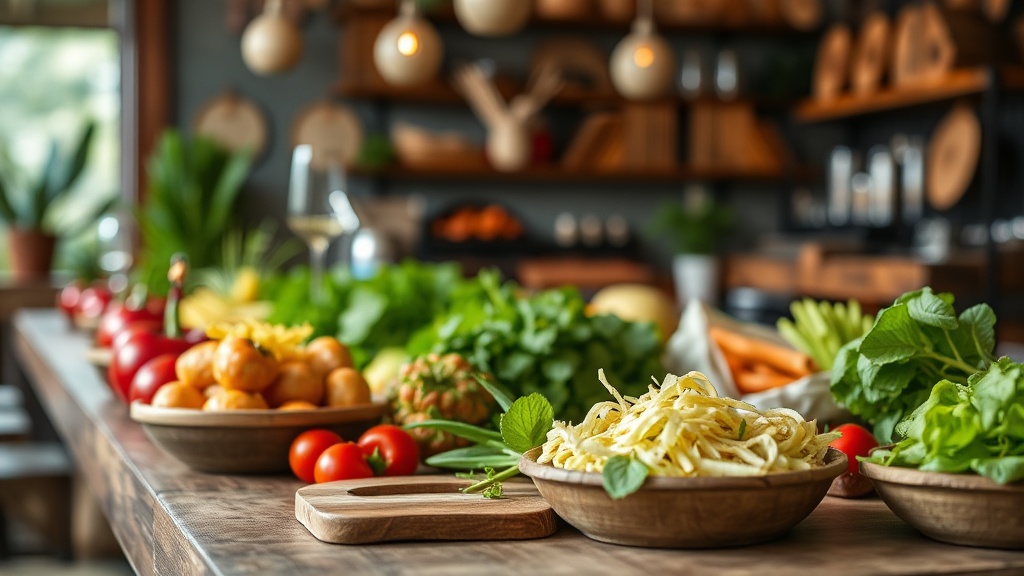
Finding the Best Farm-to-Table Flavors in Norfolk County

Have you ever wondered why a tomato from a roadside stand in Simcoe tastes worlds better than the one from your local supermarket? This guide identifies the best spots in Norfolk County to find truly fresh, farm-to-table ingredients and dining experiences. We'll look at the seasonal availability of local produce, the best places to shop for direct-from-farm goods, and where to find high-end dining that respects our local agricultural roots.
Where Can I Find Fresh Farm-to-Table Food in Norfolk County?
You can find the best farm-to-table food by visiting local farmers' markets, roadside stands, and farm-gate retailers throughout the county.
Norfolk County is the agricultural heart of Ontario for a reason. We aren't just growing a few vegetables; we are producing a massive percentage of the province's ginseng, tobacco (historically), and various specialty crops. If you want the real deal, you need to get out of the grocery store aisles and onto the backroads of Port Dover, Delhi, and Waterford.
The most reliable way to source high-quality ingredients is through the Ontario Farmers' Market network. While many people think they have to wait for the weekend, many of our local farms operate seasonal farm-gate shops. These are small, often unstaffed or minimally staffed shops where you can grab a carton of eggs or a bag of fresh peppers and leave your payment in a secure box. It's a system built on trust—and it works.
If you are looking for a more structured shopping experience, the Simcoe Farmers' Market is a staple. It's where you'll find local honey, seasonal berries, and often, artisanal cheeses that haven't been processed in a factory. It's also a great way to meet the people actually growing your food. You might find out that the person selling you those peaches is the same person who grew them just three miles down the road.
The Best Seasonal Produce to Look For
Timing is everything when you're hunting for the best flavors. If you show up in February looking for fresh strawberries, you're going to be disappointed. You have to track the seasons.
- Spring: Look for ramps, asparagus, and early greens.
- Summer: This is the peak season for berries, sweet corn, and stone fruits.
- Fall: Pumpkin, squash, and hearty root vegetables dominate the landscape.
- Winter: While fresh produce slows down, this is the time for preserved goods like jams, pickles, and fermented items.
What Are the Best Restaurants for Farm-to-Table Dining?
The best farm-to-table restaurants in Norfolk County are those that change their menus based on what local farmers are harvesting that specific week.
Dining out here isn't just about a meal; it's about the connection to the land. Many chefs in the area work directly with local growers to ensure their menus are as fresh as possible. This means you might see a menu change drastically between June and August. One night it's a roasted root vegetable dish, and the next, it's a fresh summer salad with local goat cheese.
One of the standout experiences is often found in the smaller, more intimate spots in towns like Waterford or near the shores of Lake Erie. These places tend to prioritize local sourcing more than the larger chains you'd find in larger cities. They aren't just buying "local" as a marketing buzzword—they are actually sourcing from the neighbors. It's a noticeable difference in quality.
For those who want a more curated experience, keep an eye on the establishments near the waterfront in Port Dover. While there is plenty of tourist-driven dining, there are hidden gems that rely heavily on the local harvest. It's worth the effort to check their seasonal menus before you head out. You'll want to know if they're currently featuring the seasonal catch or local poultry.
If you're planning a longer trip to explore these flavors, you might want to look into how to plan a perfect weekend in Norfolk County to ensure you hit all the right spots at the right time.
| Method | Freshness Level | Convenience | Price Point |
|---|---|---|---|
| Roadside Stands | Highest | Low (Seasonal/Variable) | Lowest |
| Farmers' Markets | Very High | Medium (Set Days) | Low to Medium |
| Local Restaurants | High | High (Regular Hours) | Medium to High |
| Grocery Stores | Medium | Highest | Medium |
How Much Does High-Quality Local Food Cost?
Local food prices vary depending on the season and the specific product, but you can generally expect to pay a slight premium for the increased quality and shorter supply chain.
A lot of people assume that "local" means "expensive." While it can be, it's often a misconception. When you buy directly from a farm-gate stand, you're cutting out the middleman (the massive distribution centers and the grocery store markup). This often makes the price of seasonal produce actually lower than the "premium" organic versions you see in big-box stores.
The real cost comes into play with specialty items. Artisanal cheeses, small-batch honey, or hand-raised meats will naturally cost more than mass-produced alternatives. But you aren't just paying for the food; you're paying for the quality of the production and the support of the local economy. It's a different kind of value. If you buy a dozen eggs from a local farm, you're paying for a product that was likely in a hen's nest just a few days ago.
It's also important to note that "seasonal" pricing is real. In the height of summer, corn and berries are abundant and relatively cheap. In the dead of winter, finding local produce is much harder and, consequently, more expensive. This is why it's smart to shop heavily when things are in abundance. Stock up on preserves and frozen goods when the prices are low.
"The flavor of a vegetable is a direct result of the soil it grew in and the time it spent in the sun. You can't replicate that in a warehouse."
— A common sentiment among Norfolk County growers.
The goal isn't just to eat; it's to experience the seasonality of our region. Whether you're grabbing a bag of apples from a stand in Delhi or sitting down for a multi-course meal in a waterfront bistro, the quality of the ingredients is the star of the show. Don't be afraid to ask your server or the person behind the stand where exactly their food comes from. Most of them are incredibly proud to tell you.
When you shop local, you're participating in a cycle that keeps our community thriving. It's about more than just a meal—it's about maintaining the agricultural heritage that makes Norfolk County what it is today. Keep an eye on the weather and the seasons, and you'll always find something delicious waiting for you.