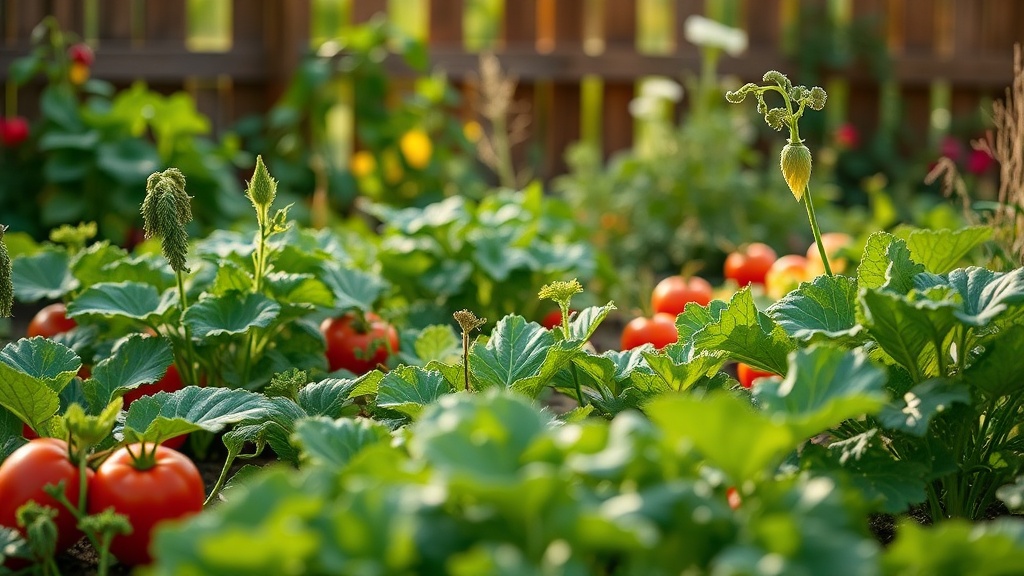
Growing a Bountiful Backyard Vegetable Patch in Norfolk County

Did you know that the average vegetable travels over 1,500 miles to reach your plate?
That staggering distance highlights a compelling reason to cultivate your own food source, and right here in Norfolk County, we’re blessed with conditions ripe for gardening success. This guide walks you through the practical steps and local considerations for establishing a thriving vegetable garden, allowing you to enjoy fresh, hyper-local produce right from your backyard. Whether you’re a seasoned green thumb or just starting out, understanding our unique climate, soil, and pest challenges can dramatically improve your harvest and connect you more deeply with the rhythms of our agricultural community.
How Do I Choose the Right Location for My Garden in Norfolk County?
Selecting the perfect spot is arguably the most impactful decision you’ll make for your garden. In Norfolk County, sunshine is king – most vegetables crave at least six to eight hours of direct sunlight daily. Observe your yard throughout the day, noting how the sun tracks across different areas. South-facing spots are generally ideal, offering prolonged sun exposure. Beware of shade cast by large trees, fences, or buildings, as even partial shade can significantly reduce your yields.
Beyond sunlight, consider accessibility to a water source. Lugging watering cans across a vast yard quickly becomes a chore, so proximity to a spigot or rainwater barrel is a huge advantage. Also, think about wind protection. Strong winds can damage delicate plants and dry out soil rapidly. If your chosen spot is exposed, consider creating a natural windbreak with a hedge or fence, or even planting taller, more robust crops on the windward side of your garden.
Finally, soil drainage is another critical factor. Good drainage prevents waterlogging, which can suffocate roots. If your area tends to hold water after a heavy rain, you might need to amend your soil or consider raised beds, which offer excellent control over soil composition and drainage – a common and effective solution for many Norfolk gardeners.
What Kind of Soil Amendments Does Norfolk County Soil Need for Vegetables?
Norfolk County’s soil varies, but generally, we’re working with a mix that benefits greatly from organic matter. Before planting a single seed, invest in a soil test. Local agricultural extension offices or garden centers often offer this service, providing invaluable insights into your soil’s pH and nutrient profile. This isn’t just a recommendation; it’s a non-negotiable step to avoid guesswork and wasted effort. A typical Norfolk soil test might reveal a need to adjust pH or add specific nutrients, but almost universally, the answer involves incorporating plenty of organic material.
Compost is your garden’s best friend. It improves soil structure, enhances drainage in heavy clay, boosts water retention in sandy soils, and provides a slow-release buffet of nutrients for your plants. Aim to work in a two-to-four-inch layer of well-rotted compost into the top six to twelve inches of your garden bed annually. Other beneficial organic amendments include aged manure (ensure it’s fully decomposed to avoid burning plants with excess nitrogen), leaf mold, and cover crops. Cover crops, planted in the off-season, protect soil from erosion, suppress weeds, and — when tilled in — add biomass and nutrients back into the earth.
For specific nutrient deficiencies, your soil test results will guide you. For instance, if phosphorus is low, bone meal can be an excellent natural supplement. If potassium is lacking, wood ash (sparingly, as it also raises pH) or greensand might be appropriate. Always follow application rates carefully, as too much of a good thing can be detrimental.
Which Vegetable Varieties Thrive Best in Norfolk County’s Climate?
Our growing season in Norfolk County, while generous, has its nuances. Understanding local frost dates and average temperatures is key to choosing suitable crops. Generally, our last frost date falls around mid-May, with the first frost in early October, giving us a solid five-month growing window. However, some crops prefer cooler temperatures, while others revel in the summer heat.
For cool-season crops, think leafy greens like spinach, lettuce, kale, and Swiss chard, along with root vegetables such as radishes, carrots, and beets. These can often be planted in early spring (late April to early May) and again in late summer for a fall harvest. They appreciate our milder spring and autumn temperatures and can sometimes tolerate a light frost.
Warm-season vegetables are the stars of our summer gardens. Tomatoes, peppers, corn, beans, squash, cucumbers, and zucchini absolutely love our hot, sunny summers. It’s best to wait until after the last threat of frost – typically after May 24th weekend – before transplanting these heat-lovers outdoors. Many varieties are specifically bred for regional climates; look for seed packets or plant tags that mention “short season” or “cold tolerant” if you’re trying something new, or better yet, ask at a local garden center which varieties they’ve had success with. For reliable information on planting times and varieties suited for our region, consulting resources like the