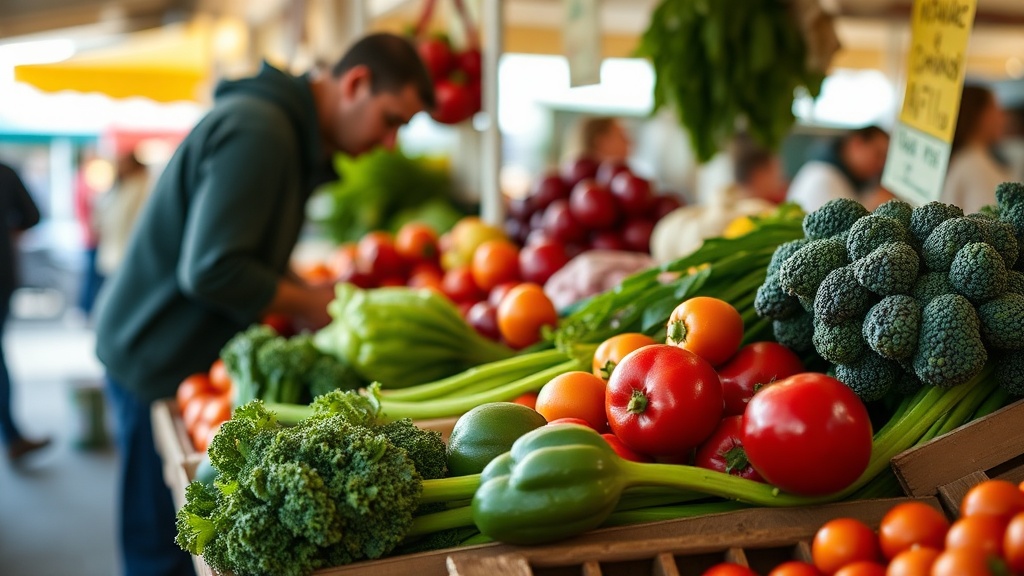
Picking the Best Seasonal Produce at Norfolk Farmers Markets

A shopper stands before a crate of heirloom tomatoes at a local market, picking up one that looks slightly too soft, only to realize it’s actually a perfectly ripe variety meant for immediate use. This confusion is common when you transition from the predictable, uniform produce of a grocery store to the diverse, seasonal reality of a Norfolk County farmers market. This article breaks down exactly how to identify high-quality seasonal produce, what to look for in specific seasonal items, and how to shop like a local pro.
Norfolk County is one of Ontario's most productive agricultural hubs. We aren't just lucky to have good soil; we have a dedicated community of growers who specialize in everything from ginseng to berries. Knowing how to pick through their offerings makes the difference between a mediocre meal and a standout one.
How Do I Know if Produce is Actually Fresh?
The freshest produce will always have a vibrant color, a firm texture (unless it's a soft variety), and a scent that hits you before you even touch it. If you're standing at a stall in Simcoe or Port Dover, don't be afraid to use your senses. A dull, limp-looking vegetable is a sign that it has been sitting in a bin far too long.
Look for these indicators of quality:
- Leafy Greens: Look for bright, crisp edges. If the edges are yellow or translucent, the greens are wilting.
- Root Vegetables: These should feel heavy for their size and have firm skin. A single soft spot can mean the whole batch is starting to rot.
- Fruit: The skin should be taut. If you see deep wrinkles, it's past its prime.
It's worth noting that "ugly" produce is often the best value. A slightly bruised apple or a crooked carrot doesn't change the flavor profile—it just means it didn't make the cut for a supermarket shelf. You can often find these at a discount if you ask the vendor.
What Should I Buy During Each Season in Norfolk County?
The best way to eat well is to follow the natural harvest cycles of the Grand River area. When you eat seasonally, you're getting produce that was harvested at the peak of its nutritional value and flavor.
Here is a rough breakdown of what to look for throughout the year:
| Season | Top Norfolk Produce | What to Look For |
|---|---|---|
| Spring | Asparagus, Radishes, Green Onions | Tender, bright green stalks; snappy radishes. |
| Summer | Strawberries, Peaches, Tomatoes, Corn | Deep color; sweet aroma; plump texture. |
| Autumn | Apples, Pumpkins, Squash, Root Veggies | Heavy weight; thick skins; no soft spots. |
| Winter | Preserved Goods, Hard Squash, Root Crops | Durability; sturdy skins; reliable storage life. |
If you want to understand more about the science of how crops grow in our specific climate, the Wikipedia page on Ontario agriculture provides a great overview of the regional agricultural strengths. Understanding the cycles helps you plan your grocery trips more effectively.
The Art of Picking the Perfect Tomato
Tomatoes are a staple in our region. However, picking a tomato is more complex than picking a cucumber. A tomato should feel heavy for its size and have a slight give when pressed—but it shouldn't feel mushy. If it's rock hard, it isn't ripe yet. If it's yielding too easily, it's overripe.
Check the stem area. A clean, green stem is a good sign. If the stem has been removed and the area looks bruised or dark, the tomato's shelf life is significantly shorter. This is especially true for the heirloom varieties often found at local farm-to-table markets.
How Much Does Seasonal Produce Cost?
Prices vary depending on the exact week of the season, but you can generally expect to pay a premium for high-demand items like berries in July. However, the price per pound for seasonal staples like potatoes or onions is often much more competitive than high-end grocery stores once the harvest is in full swing.
Don't assume the most expensive item is the best. Sometimes, the most abundant crop of the week is your best value. For example, during peak peach season, you might find much better deals than trying to buy out-of-season berries. It's a smart move to check what is "in abundance" at the stall. If a farmer has mountains of a specific vegetable, they're likely looking to move it quickly.
The catch? If you wait too long to buy the "cheap" stuff, you might end up with a bag of mush. Always prioritize quality over the lowest price point. A cheap, rotten peach is a waste of money regardless of the discount.
Tips for Successful Market Shopping
- Bring Reusable Bags: It's not just about being eco-friendly; it's about having sturdy containers for heavy items like melons or squash.
- Carry Small Bills: While many vendors now take card or digital payments, cash is still king at many smaller stalls.
- Ask the Farmer: This is the most underrated tip. Ask, "What's the best thing you have today?" They'll tell you exactly what's at its peak.
- Check the Weather: Markets are outdoor events. If it's a rainy day, the produce might be a bit more delicate.
If you're planning a trip to the area, you might want to check out how to plan a perfect weekend in Norfolk County to see how a market visit fits into a larger local itinerary.
Buying local isn't just about supporting a neighbor; it's about the quality of the food on your plate. When you buy from a Norfolk farmer, you're getting food that hasn't spent a week in a shipping container. That difference in freshness is something you can actually taste. It's a small change in how you shop, but the payoff in your kitchen is massive.
Keep an eye on the seasonal shifts. The more you learn about when things actually arrive in our part of Ontario, the better your cooking will become. The markets are constantly changing, so keep your eyes peeled for those first signs of spring greens or the first heavy harvest of autumn squash.
Steps
- 1
Visit during peak morning hours
- 2
Check for seasonal color and firmness
- 3
Ask growers about ripeness and harvest dates
- 4
Bring reusable bags for heavy produce